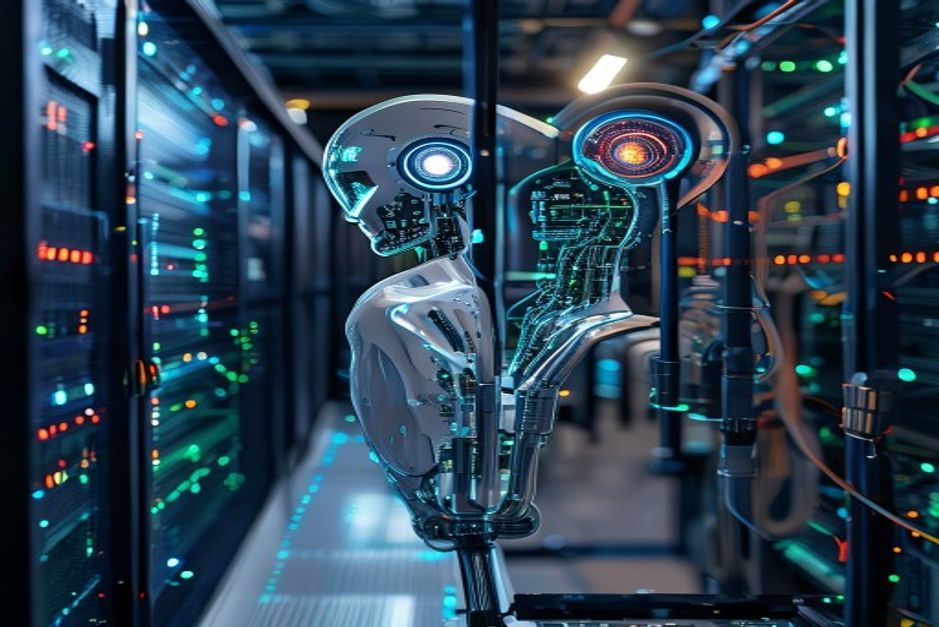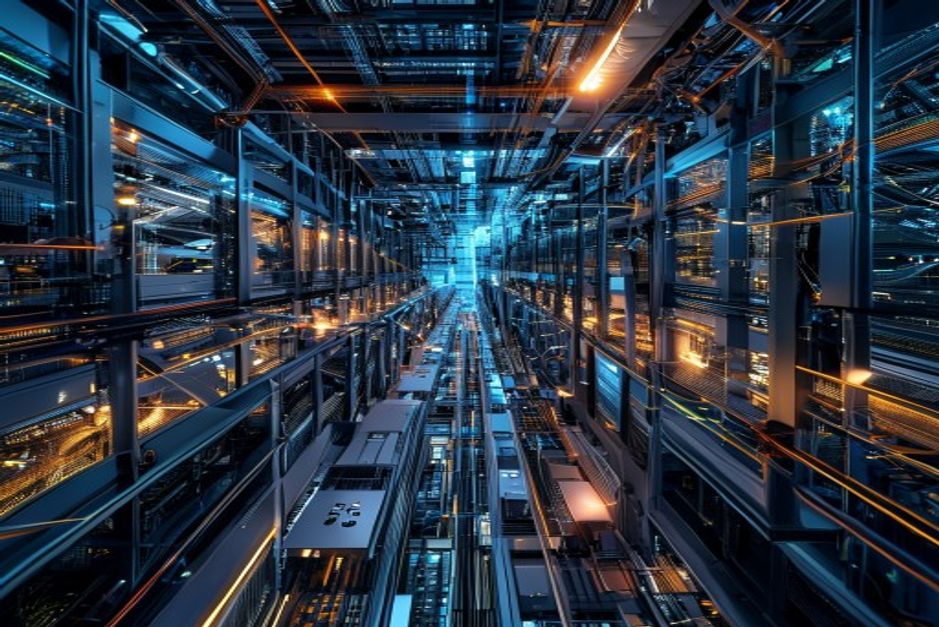
The combined AI infrastructure capital expenditure of the four largest cloud providers exceeded $100 billion in the trailing twelve months. Microsoft, Google, Amazon, and Meta are building data centers, purchasing GPUs, and constructing power generation facilities at a pace that has no precedent in the history of technology infrastructure investment.
The investment is real. The question that matters for data teams is not whether the investment is happening. It is who captures the value from it, and how the downstream effects change the cost and availability of AI compute.
Where the Money Is Going
The $100 billion breaks into three categories:
Compute hardware. GPU procurement accounts for the largest single share. NVIDIA’s data center revenue has grown roughly 5x in two years, driven almost entirely by AI training and inference demand. The H100 and H200 GPUs that power current-generation AI workloads are in sustained supply constraint. Next-generation hardware (Blackwell and successors) will absorb additional capital as it becomes available.
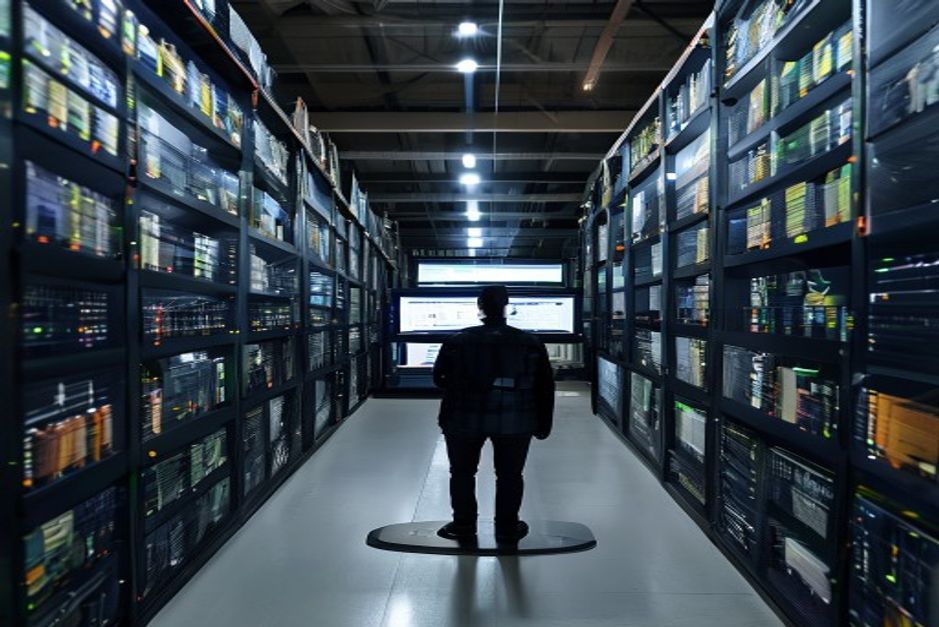
Data center construction. Building data centers that can support the power density and cooling requirements of GPU clusters is more expensive than building traditional compute data centers. GPU racks consume 5-10x the power of CPU racks, requiring electrical infrastructure upgrades, advanced cooling systems, and in some cases dedicated power generation facilities.
Networking and storage. AI workloads require high-bandwidth, low-latency interconnects between GPUs. The networking infrastructure for distributed training and large-scale inference is specialized and expensive. Storage systems for training data, model checkpoints, and vector databases add to the cost.
Who Benefits
GPU manufacturers. NVIDIA is the primary beneficiary. Its revenue growth, market capitalization, and pricing power reflect a near-monopoly position in AI training hardware. AMD and Intel are competing but have not yet captured significant market share in AI-specific workloads. Custom silicon (Google TPUs, Amazon Trainium, Microsoft Maia) is growing but remains a fraction of total AI compute.
Cloud providers. The hyperscalers benefit in two ways. First, they capture the AI workload revenue from organizations that cannot build their own infrastructure. Second, the AI workloads create lock-in: once an organization’s AI pipelines are built on a specific cloud’s AI platform, switching costs are high. The $100 billion investment is, in part, a land grab for long-term AI workload share.
Power and cooling suppliers. The demand for electrical infrastructure, cooling systems, and power generation is creating a secondary boom in the energy sector. Data center power demand in some regions is straining electrical grids, and the constraint is becoming a binding limitation on AI compute capacity.
NVIDIA’s supply chain. TSMC (chip fabrication), SK Hynix (HBM memory), and the broader semiconductor supply chain benefit from sustained GPU demand. The supply chain constraints are real, and the bottleneck is shifting from chip design to chip packaging and memory production.
Who Pays
Organizations running AI workloads. The infrastructure cost is passed through to customers in the form of compute pricing. GPU compute prices have not decreased despite massive infrastructure investment because demand exceeds supply. Organizations running AI workloads are paying near-premium prices for compute, and the pricing power of cloud providers means cost optimization is the customer’s problem, not the provider’s.
Taxpayers and utility customers. Data center construction often receives tax incentives, and the power demand affects regional electricity pricing. The externalized costs of the AI infrastructure buildout — land use, water consumption for cooling, grid strain — are distributed across local communities.
The environment. The carbon footprint of AI infrastructure is growing. Even with commitments to renewable energy, the current pace of data center construction is outstripping renewable energy deployment. The net effect is increased carbon emissions from AI compute, offset partially by renewable energy procurement but not eliminated.
The Supply-Demand Imbalance
The current AI compute market is characterized by sustained demand that exceeds supply. This is unusual for technology infrastructure, where supply typically catches up to demand within 12-18 months. The GPU supply constraint is structural: semiconductor fabrication capacity takes years to build, and the demand for AI compute is growing faster than fabrication capacity is expanding.
This means that for the next 12-24 months, AI compute will remain expensive and, in some cases, availability-constrained. Organizations that secured compute capacity early have a cost and availability advantage. Organizations entering the market now face higher prices and longer provisioning timelines.
Bounded Recommendation
Treat AI compute as a scarce resource, not an abundant commodity. Negotiate reserved capacity rather than relying on on-demand pricing. Invest in inference efficiency (caching, model right-sizing, quantization) to reduce your compute consumption per unit of AI output. The teams that use AI compute efficiently will have a cost advantage over teams that use it carelessly, and the advantage will compound as demand continues to outstrip supply.