
Simor Consulting
Category: Data Architecture

When a dashboard shows revenue at $12 million and the finance team says it should be $11.4 million, the investigation starts the same way every time: trace the data backward from the dashboard to the

A healthcare conglomerate grew through acquisition for fifteen years. Each acquisition brought its own CRM. Salesforce in three divisions. Microsoft Dynamics in two. HubSpot in one. A custom-built CRM

A data pipeline fails silently. The DAG completes without errors, the tables are populated, but the numbers are wrong. A column that was never null now has 30% nulls. A join that produced 10,000 rows

Ten years of analytics built on Oracle means ten years of accumulated PL/SQL, materialised views, database links, stored procedures, and ETL jobs that nobody fully understands. The schema has four hun
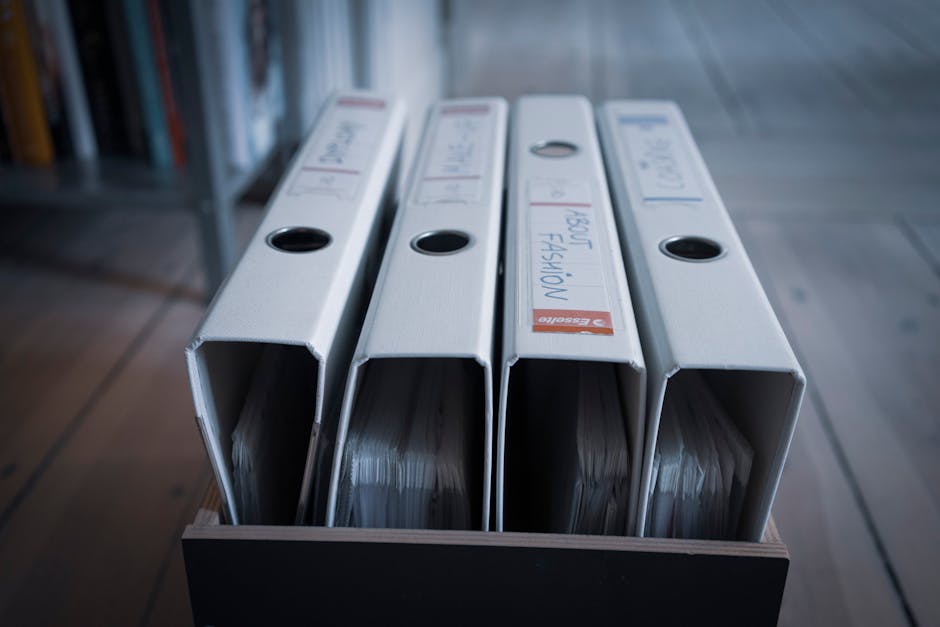
Most data catalogue projects die within six months. The tool gets purchased, a team populates it with metadata for a few hundred tables, enthusiasm fades, and twelve months later the catalogue is a st

An online travel agency processed 2.3 million flight searches per day. Each search triggered a pricing computation that determined the displayed fare for every matching itinerary. The pricing computat

When producers and consumers share a Kafka topic without agreeing on the data format, things break in production. A producer adds a field. A consumer expects the old schema. The deserialisation fails,
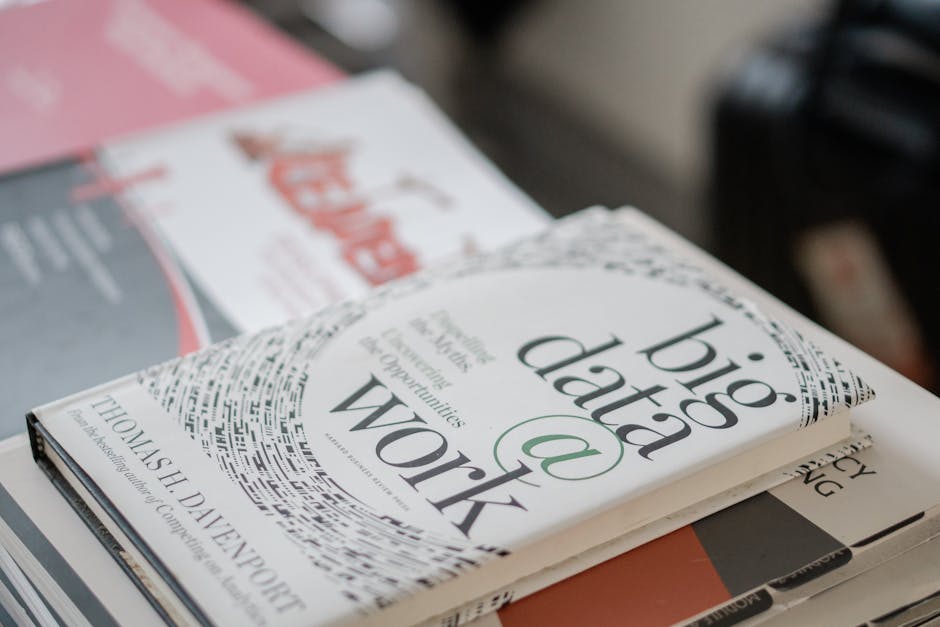
The modern data stack was a marketing category that outlived its usefulness. Between 2019 and 2023, it described a specific architecture: Fivetran or Airbyte for ingestion, dbt for transformation, Sno

An insurance company running on an IBM mainframe had accumulated forty years of policy data in VSAM files and DB2 tables. The mainframe processed 600,000 transactions per day across policy administrat

Data quality failures are expensive and silent. A broken pipeline does not crash. It produces wrong data that flows into dashboards, models, and decisions. The error is discovered weeks later when a b
An insurance company with $400 million in premium volume adopted data mesh two years ago. The central data team had become a bottleneck. Every business unit (claims, underwriting, actuarial, and distr

A data catalogue solves a trust problem. When an analyst cannot find the right table, does not know what a column means, or cannot tell whether data is fresh, they either guess or ask someone. Both ou

A B2B SaaS company running a customer success platform had a data pipeline that consumed sixty percent of the data engineering team's time. Not feature work. Not analytics. Pipeline maintenance. The p
Kafka has dominated event streaming for a decade. It processes trillions of messages daily across thousands of companies. Its dominance created an ecosystem so large that "streaming" became synonymous

Data pipelines for AI are not the same as data pipelines for traditional software systems. The outputs are different. The failure modes are different. The tolerance for data quality issues is differen

The orchestration market has a clear incumbent and two serious challengers. Apache Airflow has been the default choice since 2015. Prefect and Dagster both emerged to address Airflow's pain points, bu

A manufacturing company with facilities in twelve countries ran its operational reporting on a traditional BI stack: a data warehouse, an ETL pipeline, and a dashboard tool that had been deployed six
A logistics company processing two million shipments per day ran their entire operational reporting stack on nightly batch ETL. Every morning at 6 AM, operations managers reviewed dashboards built on

Every analytics team eventually faces the same choice: how do you transform raw data into something analysts can actually use? For years, dbt was the only serious answer. SQLMesh arrived with a differ

A financial services firm running analytics on trade settlement data came to us with a specific complaint: their cloud data platform cost had tripled in eighteen months, and nobody could explain why.
A recommendation system team built their tenth model. Each model required feature engineering. Each feature engineering project started by copying code from the previous project, then modifying it for

Traditional centralised data architectures worked for BI but struggle with AI workloads. Centralised teams become bottlenecks as data volumes grow. Domain experts who understand the data are separated

Existing data infrastructure often cannot support ML workflows. The modern data stack offers a foundation, but it requires adaptation to become AI-ready. This article covers building a data architectu

Event-driven architectures treat changes in state as events that trigger immediate actions and data flows. Rather than processing data in batches or through scheduled jobs, components react to changes

# Serverless Data Pipelines: Architecture Patterns Serverless computing eliminates server management and provides automatic scaling with pay-per-use billing. These benefits matter for data pipelines

A semantic layer provides business-friendly abstraction over technical data structures, enabling self-service analytics and consistent metric interpretation. Implementing one involves technical challe

Data lakehouses combine lake flexibility with warehouse performance but introduce security challenges from their hybrid nature. Securing these environments requires layered approaches covering authent