
Simor Consulting
Category: MLOps

Running a model in a Jupyter notebook is trivial. Running a model that serves 500 predictions per second with 99.9% uptime, auto-scales with traffic, recovers from node failures, and costs less than $

A subscription media company with 1.2 million subscribers built a machine learning model to predict churn. The model worked. It identified at-risk subscribers with seventy-nine percent precision and e
When a model stops working correctly in production, the first question is always the same: what changed? Which version of the model is currently deployed? What training data was used? What evaluation
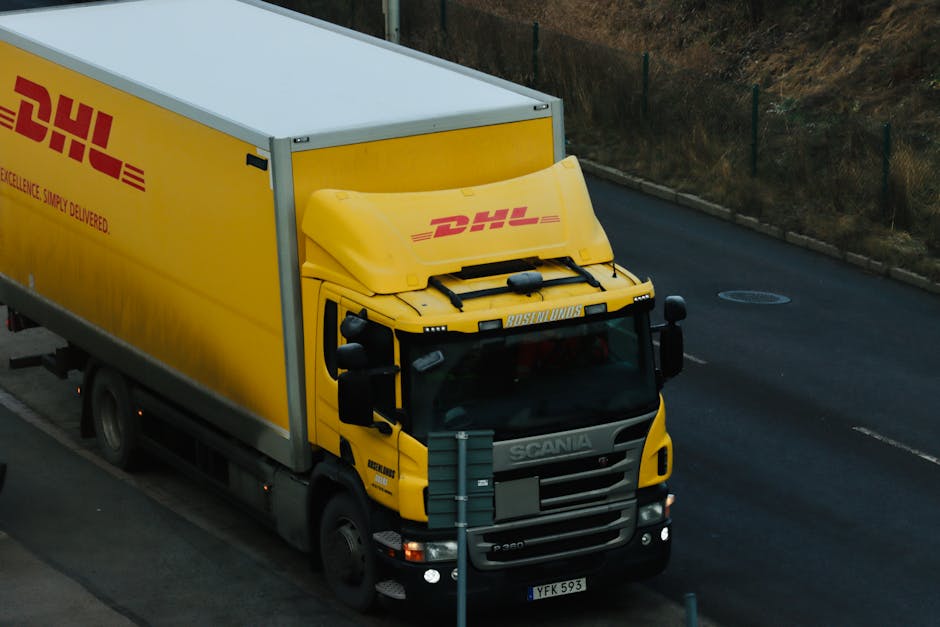
A regional logistics company running three thousand deliveries per day across a six-state territory had a late-delivery rate of fourteen percent. The cost of a late delivery was not just the apology.

Machine learning teams face a version control problem that Git does not solve. Git tracks code changes, but ML experiments change more than code. They change hyperparameters, datasets, model architect
Serving a language model in production is an infrastructure problem, not a model problem. The model weights are the same regardless of how you serve them. What differs is throughput (how many requests

A retail chain with 400 stores spent two years and $2.1 million building an inventory optimisation model. The model was technically excellent. It reduced predicted stockouts by thirty-two percent and

Feature stores solve a specific problem: the features you use to train a model must be the same features you use to serve it. When the training pipeline computes features differently than the serving

An insurance company's premium pricing model had been quietly going haywire for two weeks. Young drivers in high-risk areas were getting bargain prices while safe drivers faced astronomical quotes. By

A social media analytics company watched their Kubernetes cluster fail to handle traffic spikes from trending topics. The cluster would scale from 50 to 500 pods in minutes, but not fast enough to pre

Traditional ML trains on historical data, deploys, and waits until performance degrades. This fails in dynamic environments where data patterns evolve. Incremental ML continuously updates models as ne

# Scaling Machine Learning Infrastructure: From POC to Production Moving a machine learning model from notebook to production exposes gaps that notebooks hide. Data scientists produce working models

# Deploying ML Models on Kubernetes: Best Practices ML models in production need orchestration, scaling, and monitoring infrastructure. Kubernetes provides these capabilities, though the learning cur

DataOps and MLOps both aim to improve reliability and efficiency in data-centric workflows, but they address different parts of the data science lifecycle. Understanding their boundaries helps organis