
Simor
Less waste in. Better answers out.
Practical writing on AI cost, quality, and the control layers that keep multi-user systems honest in production.

Manufacturing figured out quality control decades ago. AI is still learning the lesson the hard way. When a car leaves the factory with a defect, the manufacturer does not shrug and say "models are p

LLM costs are easy to start and hard to control. A team ships a feature that calls GPT-4, the feature works, users like it, and the invoice climbs 15 percent month over month. The cost is not a proble
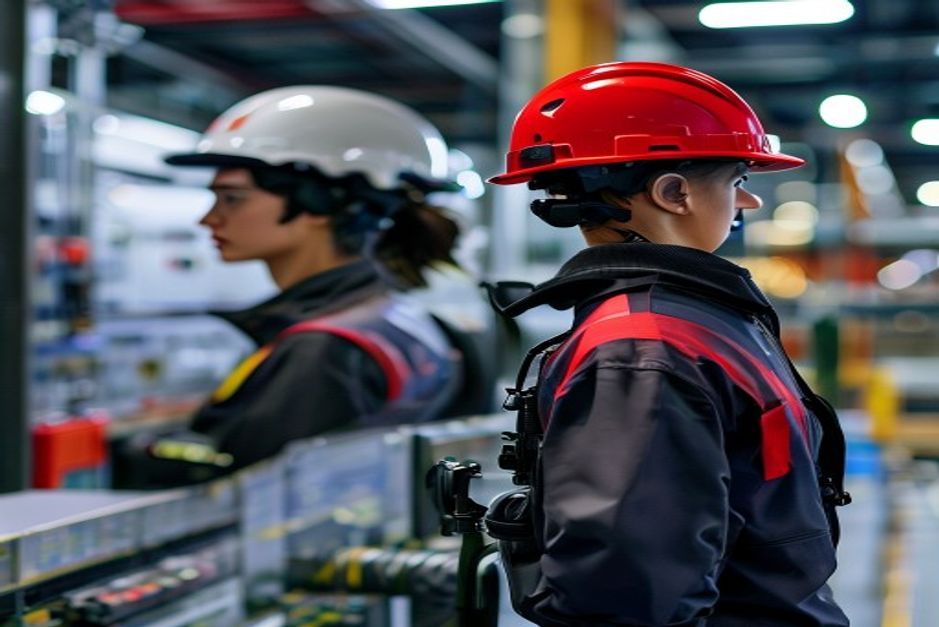
The benchmark results from the past quarter are hard to ignore. On tasks spanning legal document analysis, medical coding, financial risk assessment, and manufacturing quality inspection, vertical AI

Your daughter's math homework comes back with a red X. The answer is wrong. But she does not know why it is wrong, and the X does not tell her. She gets a correct answer on the next problem through lu

Text-to-SQL has been promised for a decade. Every year, a new tool claims to convert natural language to production-ready SQL. Every year, the demos look impressive and the production deployments disa
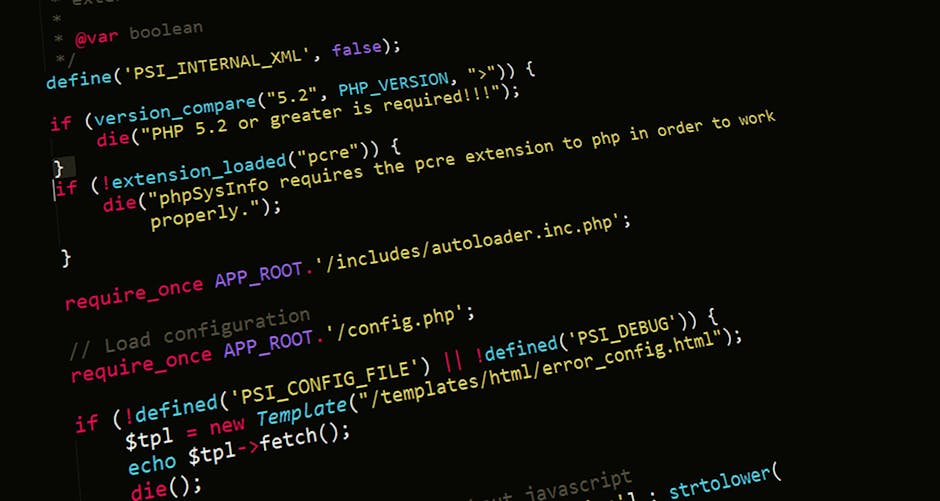
When a model stops working correctly in production, the first question is always the same: what changed? Which version of the model is currently deployed? What training data was used? What evaluation
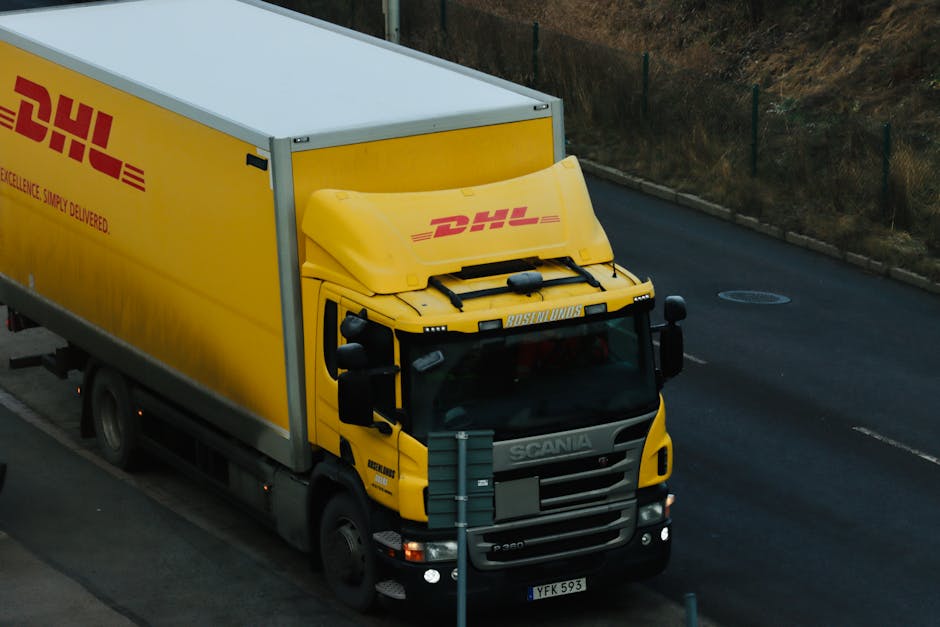
A regional logistics company running three thousand deliveries per day across a six-state territory had a late-delivery rate of fourteen percent. The cost of a late delivery was not just the apology.

Every AI demo is impressive. Every AI production system is a maintenance burden. The distance between those two statements is where most AI initiatives quietly fail. The demo shows a model producing

Most data mesh initiatives fail not because the architecture is wrong, but because nobody can answer the question: who owns this data product? When ownership is ambiguous, quality drops, SLAs go unmet