
Simor
Less waste in. Better answers out.
Practical writing on AI cost, quality, and the control layers that keep multi-user systems honest in production.

Data pipelines break because data producers and data consumers have different assumptions. The producer assumes the consumer can handle null values in a column. The consumer assumes the column is neve

The market for AI engineers is the tightest it has been since the deep learning boom of 2017. Demand has grown 280% year-over-year for the "AI engineer" title, and the supply of experienced practition

Your iPhone prompts you: iOS 18.4 is available. It includes improvements to battery performance, new photo editing tools, and a fix for crashes in third-party apps. You can install it now or wait. If

Basic retrieval-augmented generation works well in demos and poorly in production. The demo shows a clean pipeline: chunk text, embed chunks, retrieve relevant chunks, feed them to the model. The prod

Publishing aggregate statistics about a dataset sounds safe. The average salary in a department. The number of users in a geographic region. The distribution of query types in a search engine. But agg
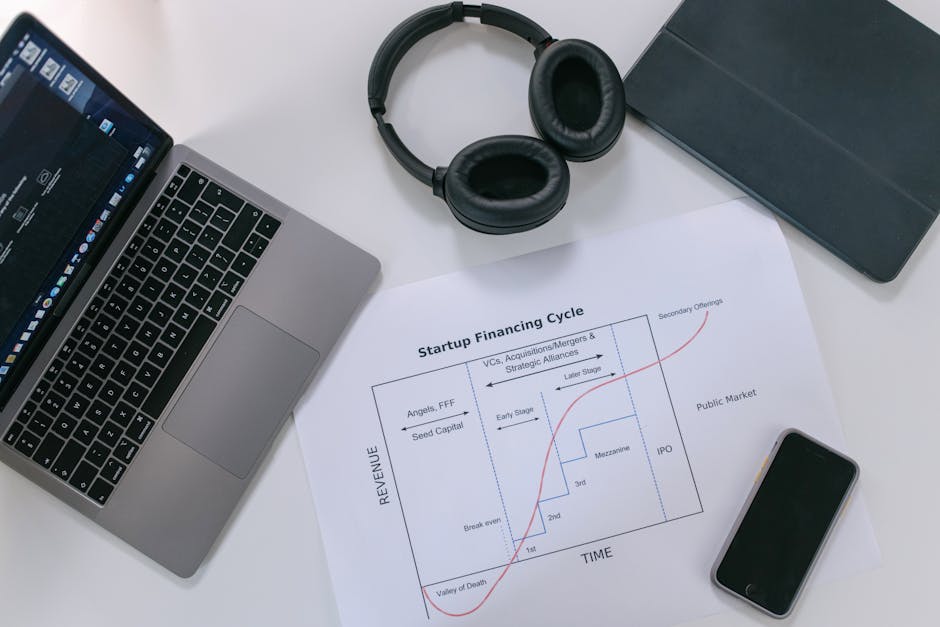
Five years ago, "data company" described a specific type of organisation: a business whose primary product was data or data services: Snowflake, Databricks, Palantir, Bloomberg. Today, the distinction

An agriculture technology company built a crop yield prediction model that combined satellite imagery, soil sensor data, weather forecasts, and historical yield records. The model predicted per-field

A pharmaceutical company I consulted for was three months into a project to fine-tune a large language model on their internal research corpus. The project had a team of four engineers, a budget of $8

A model registry is the version control system for your trained models. Without one, teams track model versions by filename, store artifacts in ad-hoc cloud storage locations, and discover which model