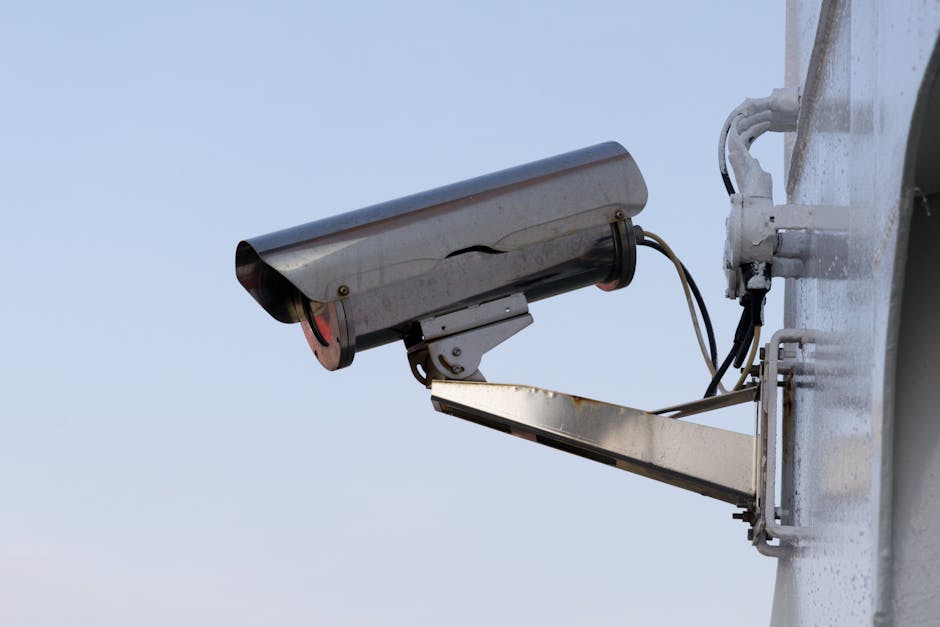

A speed camera does not stop the car. It captures an image at a specific moment, records the license plate and timestamp, and sends the data to a system where a human makes the judgment. The camera observes. The human decides. The camera is always on; the human is invoked only when triggered. The camera does not know if the driver had an emergency. The human reviewer knows.
Human-in-the-loop (HitL) in AI systems works the same way. The AI processes the routine cases and flags the exceptions for human review. The human does not handle every transaction; they handle the ones the system cannot resolve alone. The system decides when to escalate. The human judgment is authoritative when it arrives. The camera flags; the human fines.
The trigger conditions define the HitL quality. Too sensitive and humans drown in routine flags. Too permissive and important exceptions slip through. Good HitL design starts with understanding which cases the AI handles well and which cases it handles poorly, then sets trigger conditions accordingly. The camera angle matters as much as the threshold.
HitL is fundamentally about error budgets. The AI makes mistakes. The question is which mistakes matter enough to require human attention. A loan approval system that denies 99% of applications correctly might have a 1% error rate. That 1% represents real people wrongly denied. If regulatory requirements mean every denial needs human review, you have one kind of HitL. If the stakes are lower and the volume is high, you might trigger HitL only on denials above a certain amount. The trigger condition is a business and ethical decision, not a technical one. The camera tickets for speed; it does not ticket for a cracked windshield.
Common trigger patterns: low-confidence predictions where the model is not sure, high-stakes outcomes where the decision matters, regulatory requirements where someone is legally required to review, and drift detection where the input looks different from training data. Each pattern represents a different kind of uncertainty or consequence that warrants human attention. The camera triggers on speed; it does not trigger on a car with a slight wobble.
This diagram requires JavaScript.
Enable JavaScript in your browser to use this feature.
The trigger condition tuning process is underappreciated. Most HitL systems go live with trigger conditions that are guesses. The real calibration happens in production when you observe the flag rate, the human override rate, and the cases that slipped through. A HitL system that was designed on assumptions but never tuned is a system that is probably miscalibrated. The speed threshold was set at 70mph; the actual threshold should be set by observing where cars actually speed.
Confidence-based triggers require well-calibrated confidence scores. If your model is overconfident on errors, a confidence threshold will not catch the errors that matter. If your model is underconfident on correct answers, a confidence threshold will generate excessive flags. Calibrate confidence scores before relying on them for HitL triggers. The camera must be calibrated; an uncalibrated camera tickets innocent drivers.
The Timing Dimension
There are two distinct HitL patterns with different consequences. Synchronous HitL pauses the process and waits for human input before proceeding: think document approval workflows where the document does not move forward until signed. Asynchronous HitL processes continuously and queues human review as a side channel: think content moderation where the post goes live and a reviewer checks it later. The camera that stops traffic is different from the camera that sends a ticket later.
The synchronous variant adds latency but prevents errors from propagating. The document does not get approved until a human says so. The asynchronous variant maintains throughput but accepts that some errors reach the world before being caught. A flagged post reaches users before the moderator reviews it. The choice between them is a trade-off between speed and error containment, not a technical preference. The camera that stops the car prevents the accident; the camera that sends a ticket later does not.
Some workflows need both. An e-commerce platform might asynchronously review product listings for policy violations (speed for listing, moderation as side channel) but synchronously review pricing anomalies before they go live (error containment for financial risk). The same system has two HitL patterns serving two different risk profiles. The speed camera and the safety camera serve different purposes.
The timing choice has downstream effects on the human reviewer experience. Synchronous review creates time pressure: the reviewer knows the process is waiting on them. Asynchronous review allows batch processing: reviewers can work through queues efficiently. If your review task is cognitively demanding (evaluating nuanced decisions), asynchronous batch processing produces better quality than pressured synchronous review. The reviewer who is rushed makes worse decisions.
The Human Capacity Ceiling
Human reviewers are a finite resource. HitL systems that generate too many flags create a backlog that erodes the latency benefits of automation. If your human reviewers are overwhelmed, either your trigger conditions are too loose or your AI is not ready for production. This is the most common HitL failure mode: treating the human as an infinite resource rather than a constrained one. The camera generates tickets faster than the court can process them.
The capacity ceiling has a quality consequence that is often missed. Reviewers who are overwhelmed take shortcuts. They approve borderline cases rather than genuinely evaluating them. They stop reading carefully. The HitL system that was supposed to catch AI errors starts producing its own errors, and those errors are now sanctioned by a human sign-off. The false confidence of a human-reviewed output is worse than the honest uncertainty of an unreviewed AI output. The reviewer who rubber-stamps creates more risk than the camera that nobody reviews.
HitL design needs a capacity model from the start. How many reviews can a human reviewer do per hour? What flag rate keeps the queue stable? What happens when the flag rate spikes (and it will spike, especially when the AI encounters out-of-distribution inputs)? Systems that do not model reviewer capacity will fail it. The court system needs to know how many tickets the camera will generate.
Build queue depth monitoring and alerting into your HitL system. If the review queue depth is growing faster than reviewers can process it, the system is degrading. You need to know before the queue becomes unmanageable, not after. Set thresholds and alerts, and have a response plan for when they trigger. The court needs a dashboard showing ticket volume.
The Accountability Dimension
HitL is not only about accuracy. It is also about accountability. When a consequential decision is made, someone needs to be able to explain and take responsibility for it. A fully automated system that denies a loan is an algorithm making a decision about a person. A HitL system where a human reviewed and approved the denial is a human making that decision, with the algorithm as a tool. The accountability structure is different. The camera does not issue fines; the traffic authority does.
This matters for regulatory compliance, for appeal processes, and for organisational legitimacy. A system that makes consequential decisions without human accountability will face legal and political challenges regardless of its accuracy. HitL is in part a mechanism for embedding human accountability into automated processes. The algorithm recommends; the human decides.
The accountability embedding requires that the human review be genuine, not pro forma. If reviewers are overwhelmed and approve without reading, the sign-off is pro forma. The legal accountability is on paper but not in practice. Regulators are increasingly scrutinising whether HitL review is substantive or rubber-stamping. If you have HitL for accountability purposes, the review must be real. The signature must mean something.
Appeals processes interact with HitL design. When a decision is appealed, you need to reconstruct what the human reviewer saw and how they decided. Logging the AI output, the human input, and the final decision is necessary for appeals. Without that logging, appeals become impossible to adjudicate. The court needs the camera footage.
Human reviewers must be trained to make consistent decisions. Two reviewers looking at the same case should reach similar conclusions, or the HitL system has a consistency problem. Train reviewers on case examples with known correct answers. Measure inter-reviewer agreement rates. Investigate when reviewers consistently disagree. The court needs standardised procedures.
Calibration sessions keep reviewers sharp. Present them with known test cases mixed into their real queue. If their accuracy on test cases drops, their real-case accuracy is likely dropping too. Use test cases to identify reviewers who need retraining. The camera needs periodic calibration checks.
Feedback loops improve both reviewers and the AI. When a reviewer catches an AI error, that error should inform model improvement. When a reviewer makes a mistake, that mistake should inform reviewer training. The HitL system is not just a quality filter; it is a source of training signal for both human and machine components. The camera footage improves both the driver’s behaviour and the camera’s calibration.
Use HitL when decisions have consequences that warrant human accountability, when regulatory or compliance requirements mandate human review, when the AI handles routine cases well but struggles with edge cases, when you need a feedback mechanism to improve AI performance over time, when trust requirements mean humans need visibility into AI decisions, and when the error cost exceeds the latency cost of pausing for review.
Do not use HitL when the volume exceeds human review capacity (invest in better AI or narrower triggers), when latency is critical and human involvement is too slow, when the task is purely generative with no consequential decisions, when human reviewers would introduce their own inconsistencies on borderline cases, and when you have not modelled reviewer capacity and will be surprised in production. The camera is not the judge. Know when you need a judge in the loop and when the camera alone is sufficient. Calibrate your triggers to your actual reviewer capacity, not to your hypothetical one.